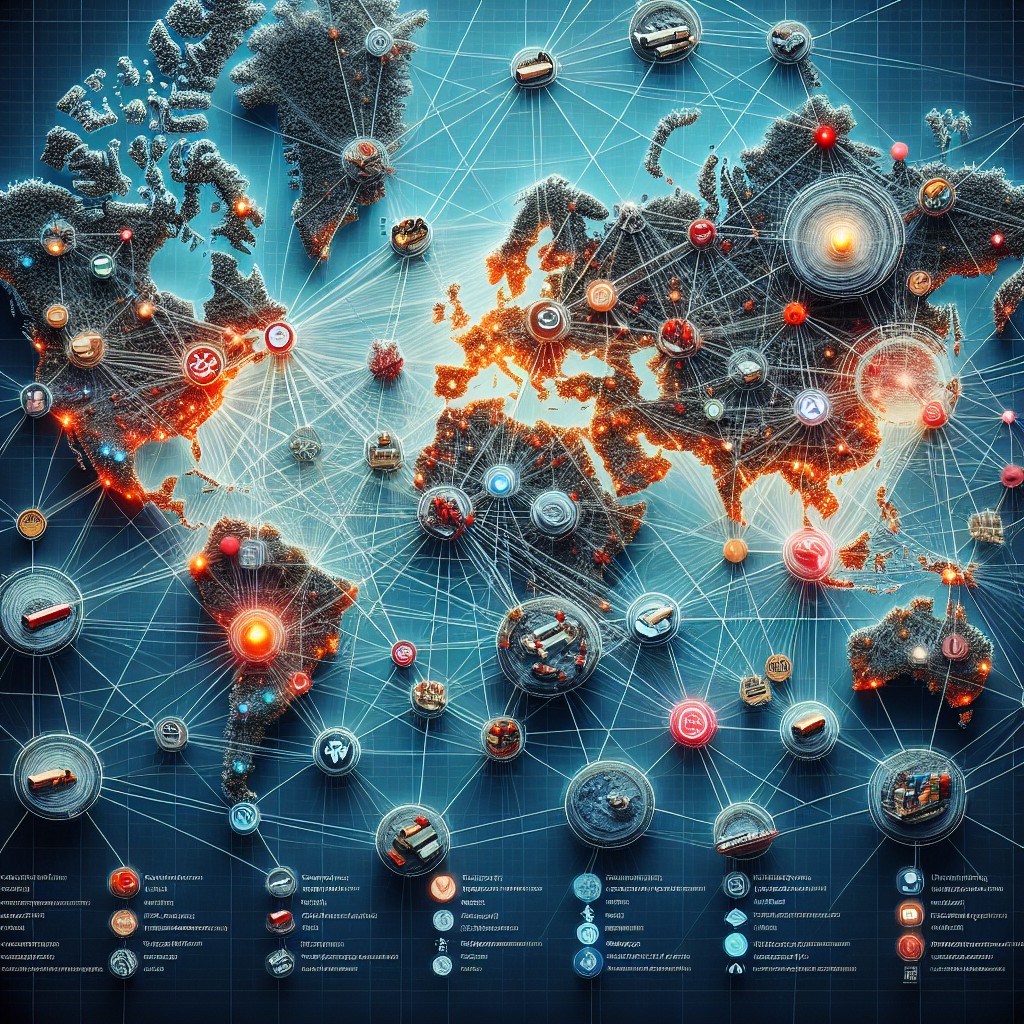
The COVID-19 pandemic has profoundly shaped global health strategies, spotlighting both the strengths and limitations of existing pandemic response frameworks. Governments and health organizations worldwide have made progress in pandemic preparedness, but significant vulnerabilities remain that could influence future outbreak control.
Global Advances in Surveillance and Reporting
One of the most notable improvements in pandemic preparedness has been the enhancement of disease surveillance systems. Enhanced data-sharing platforms and real-time monitoring tools now enable faster detection of outbreaks. International institutions have facilitated greater transparency in reporting, which helps countries respond quickly and collaboratively. However, disparities in surveillance capabilities persist between high-income and low-income countries, limiting the ability to detect and contain outbreaks promptly on a global scale.
Vaccine Development and Distribution Mechanisms
The accelerated development and deployment of vaccines during the COVID-19 crisis demonstrated unprecedented scientific cooperation and regulatory flexibility. This progress marked a significant leap in pandemic preparedness, showcasing how novel technologies like mRNA vaccines can be rapidly scaled. Despite these advancements, challenges in equitable vaccine distribution and hesitancy continue to hamper the global vaccination efforts, leaving many vulnerable populations at risk.
Healthcare Infrastructure and Workforce Readiness
The pandemic has exposed critical gaps in healthcare infrastructure and workforce capacity in numerous regions. Many health systems were overwhelmed by patient surges, underscoring the need for increased investment in facilities, equipment, and trained personnel. While some countries have expanded intensive care capacities and stockpiles of essential medical supplies, widespread issues such as burnout among healthcare workers and resource shortages remain obstacles in pandemic preparedness.
Public Communication and Risk Management
Effective risk communication has proven essential during health crises. Authorities have developed clearer protocols for disseminating timely and accurate information, helping to manage public expectations and encourage protective behaviors. Nonetheless, combating misinformation and fostering public trust continue to challenge pandemic preparedness efforts, as conflicting messages and skepticism can undermine compliance with health guidelines.
International Coordination and Policy Frameworks
International collaboration has been a cornerstone of pandemic preparedness enhancements, with organizations like the World Health Organization playing pivotal roles. New policy frameworks and agreements aim to improve coordinated responses to future threats. Despite progress, geopolitical tensions and differing national priorities sometimes hinder unified action, which can delay critical responses and resource sharing during pandemics.
As pandemic preparedness continues to evolve, it is clear that no single system can address all challenges alone. The integration of technological innovations, equitable resource allocation, and robust international cooperation will be vital for strengthening global resilience. Looking ahead, sustained commitment and adaptability in these key areas will be crucial to mitigating the impact of future pandemics and ensuring a more effective collective response.
Frequently Asked Questions about pandemic preparedness
What does pandemic preparedness involve?
Pandemic preparedness involves the comprehensive planning and implementation of measures to prevent, detect, and respond effectively to global infectious disease outbreaks.
How has pandemic preparedness improved since COVID-19?
Since COVID-19, pandemic preparedness has improved through enhanced surveillance systems, faster vaccine development, bolstered healthcare infrastructures, and improved international coordination.
What are the main weaknesses in current pandemic preparedness systems?
Key weaknesses include unequal access to medical resources, misinformation challenges, limited healthcare workforce capacity, and inconsistent international collaboration.
Why is international cooperation important for pandemic preparedness?
International cooperation ensures timely information sharing, coordinated responses, and equitable resource distribution, all of which are essential components of effective pandemic preparedness.
Where can I find authoritative information on pandemic preparedness?
Authoritative information on pandemic preparedness can be found on official websites such as the Centers for Disease Control and Prevention, which provide updated guidelines and resources.