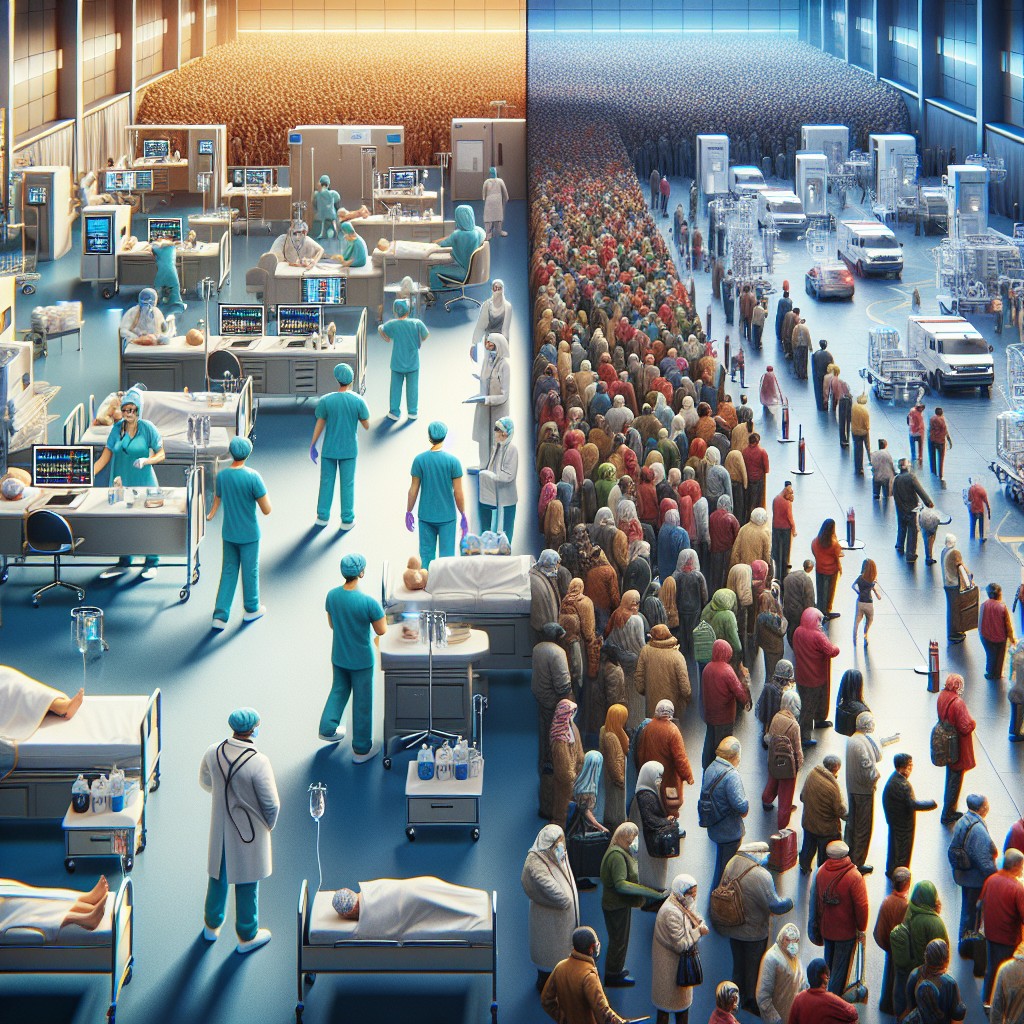
As businesses adapt to a rapidly changing economic landscape, Employment Statistics indicate significant trends that may reshape industries by 2026. Understanding these trends is critical for employers, job seekers, and policymakers alike.
Current Employment Landscape
Recent studies have provided a detailed overview of the employment situation in various sectors. The Bureau of Labor Statistics reported a gradual increase in job growth, primarily driven by advancements in technology and shifts in consumer behavior. Industries such as healthcare, technology, and renewable energy are expected to lead this growth, creating millions of new jobs over the next few years. Understanding these shifts is essential for grasping how Employment Statistics will evolve in the near future.
Impact of Technology on Job Creation
The integration of artificial intelligence and automation poses both challenges and opportunities across different sectors. According to expert analyses, while certain positions may be displaced due to automation, new roles that require advanced technological skills are expected to emerge. Consequently, the capacity of workforce divisions to adapt will be heavily reflected in future Employment Statistics. Educational institutions are already responding by revising curriculums to prepare students for this evolving job market, highlighting the importance of skill development in relation to changing Employment Statistics.
Regional Employment Growth Projections
Various regions are expected to experience differing rates of employment growth. For instance, urban areas with technological hubs may see a faster increase in job opportunities compared to rural regions. The competition for jobs is poised to intensify, and understanding regional differences will be vital when analyzing future Employment Statistics. In particular, states that prioritize infrastructure improvements and tech enhancements will likely safeguard their employment growth trajectory, showcasing the disparities within national Employment Statistics data.
Conclusion
The forthcoming shifts in employment dynamics, as uncovered by current Employment Statistics, reveal a landscape that is shaped by technological innovation, evolving consumer demands, and regional economic policies. As we move towards 2026, stakeholders must stay informed about these trends to better prepare for the challenges and opportunities that lie ahead.
Frequently Asked Questions about Employment Statistics
What do Employment Statistics reveal about current job trends?
Employment Statistics suggest that technology-driven industries are experiencing the most significant growth, with healthcare and renewable energy leading the way.
Why are Employment Statistics important for job seekers?
Employment Statistics are crucial for job seekers as they provide insights into which industries are expanding, helping individuals make informed career choices.
How can Employment Statistics influence policy-making?
Policy-makers can use Employment Statistics to allocate resources and develop initiatives that support job growth in critical sectors.
What future trends in Employment Statistics should we anticipate?
Future trends in Employment Statistics are expected to highlight the influence of automation and technology on job creation and displacement across various industries.
Where can I find reliable Employment Statistics?
Reliable Employment Statistics can be found through governmental organizations such as the Bureau of Labor Statistics, which provides comprehensive data on employment trends.